Leak and flow testing for marine applications plays a critical role in verifying that every component—mechanical, hydraulic or electronic—is sealed, stable and compliant with stringent industry requirements. Modern OEMs and system integrators rely on precision methods such as pressure decay, flow measurement and tracer gas detection to identify micro-defects that remain invisible during visual inspection but can compromise performance once installed on a vessel or exposed to harsh offshore conditions. These tests ensure the integrity of key marine components including fuel systems, hydraulic actuators, cooling circuits, valves, pumps, connectors, pressure housings and watertight enclosures used across commercial, naval and offshore platforms.
As the maritime industry advances toward electrification, autonomous navigation, digitalisation and tighter environmental regulations, the need for non-destructive, high-accuracy testing continues to grow. Critical electronic and navigation devices—such as Class A & B AIS transponders, radar systems, GPS receivers, marine cameras, antennas and communication units—require rigorous leak and ingress testing to maintain waterproofing, prevent corrosion and ensure reliable performance in demanding environments. Integrating automated leak and flow testing into manufacturing, maintenance and retrofitting processes guarantees consistent quality, reduces operational downtime and supports long-term reliability for vessels navigating challenging offshore conditions.
LEADING THE GREEN MARITIME REVOLUTION
As the maritime industry accelerates toward zero-emission vessels, robust testing technologies have become essential for ensuring safety, performance, and compliance. From hydrogen-powered ships to fully electric boats, every component must be rigorously validated to meet the highest standards of reliability, waterproofing, and environmental protection. Advanced leak detection, battery integrity checks, and maritime fuel cell testing now play a central role in enabling shipbuilders and operators to deploy clean propulsion systems with confidence.
Whether integrating hydrogen storage modules, scaling up marine fuel cells, or developing long-range electric propulsion systems, the sector depends on precise, repeatable and fast testing solutions. These processes ensure adherence to international compliance regulations, prevent failures at sea, and support the industry-wide shift to green technologies.
Hydrogen Systems & Fuel Cell Safety Testing
Hydrogen is emerging as a leading maritime fuel, but its successful adoption depends on high-accuracy leak detection and fuel cell testing.
Key solutions include:
- Hydrogen fuel cell leak testing for stacks, manifolds, seals and connectors.
- Marine hydrogen system testing to validate storage tanks, piping networks and pressure regulators.
- Hydrogen leak detection for maritime applications, ensuring crews and vessels remain safe even under dynamic sea conditions.
- Compliance support for standards such as ISO 19880, IEC 62282, and emerging maritime hydrogen safety guidelines.
These tests guarantee that hydrogen systems remain airtight, efficient, and ready for zero-emission propulsion.
Electric Propulsion & High-Voltage Battery Testing
The shift to electric boats increases the need for robust testing of battery packs, propulsion modules, cooling systems and connectors.
Core services include:
- Electric boat battery testing for durability, pressure integrity and thermal stability.
- Electric propulsion leak testing to secure cooling circuits, inverters, e-motors and HV components.
- Battery enclosure IP testing (IP67, IP68) to ensure marine-grade water resistance.
- Verification of high-voltage safety and compliance with IEC 62619 and ABYC E-13 standards.
These processes ensure that e-boat systems operate safely even in harsh, salt-water conditions.
Waterproofing & Environmental Protection for E-Boats
Electric maritime systems demand exceptional protection against water ingress, corrosion and humidity.
Specialised testing focuses on:
- E-boat waterproofing across hatches, compartments, charging ports and battery housings.
- Environmental cycling tests (temperature, humidity, vibration) to replicate real-world maritime exposure.
- IP-rated enclosure testing to ensure compliance with marine-grade waterproofing requirements.
- Qualification processes for meeting DNV, ABS, and IMO environmental standards.
These tests guarantee long-term reliability and protection for electric vessels operating year-round.
Zero-Emission Maritime Compliance & Safety Validation
As global regulations push toward cleaner oceans, the ability to certify systems for zero-emission maritime operations is vital.
Testing supports:
- Verification of zero emissions testing for hydrogen and electric propulsion systems.
- Maritime fuel cell testing to ensure efficiency and clean power generation.
- Leak detection and IP validation to meet IMO decarbonisation goals, EU Fit for 55, and local port regulations.
- Documentation and compliance processes for shipbuilders, integrators, and component manufacturers.
This ensures vessels meet regulatory expectations while achieving peak environmental performance.


TYPICAL APPLICATIONS

Marine engine and gear box
Marine engines and gearboxes are essential for reliable propulsion and efficient power transmission. Even a minor oil or coolant leak can reduce performance, accelerate wear, and increase fuel and maintenance costs.

Valves
Marine valves are vital for safe, efficient control of cooling, ballast, bilge, fuel and fire systems, where pressure, vibration and corrosion demand consistently leak-tight sealing.

Heat Exchanger and Oil cooler
Ensure reliable marine operations with heat exchanger leak testing that quickly pinpoints leaks, prevents seawater contamination, and protects engine-room efficiency.
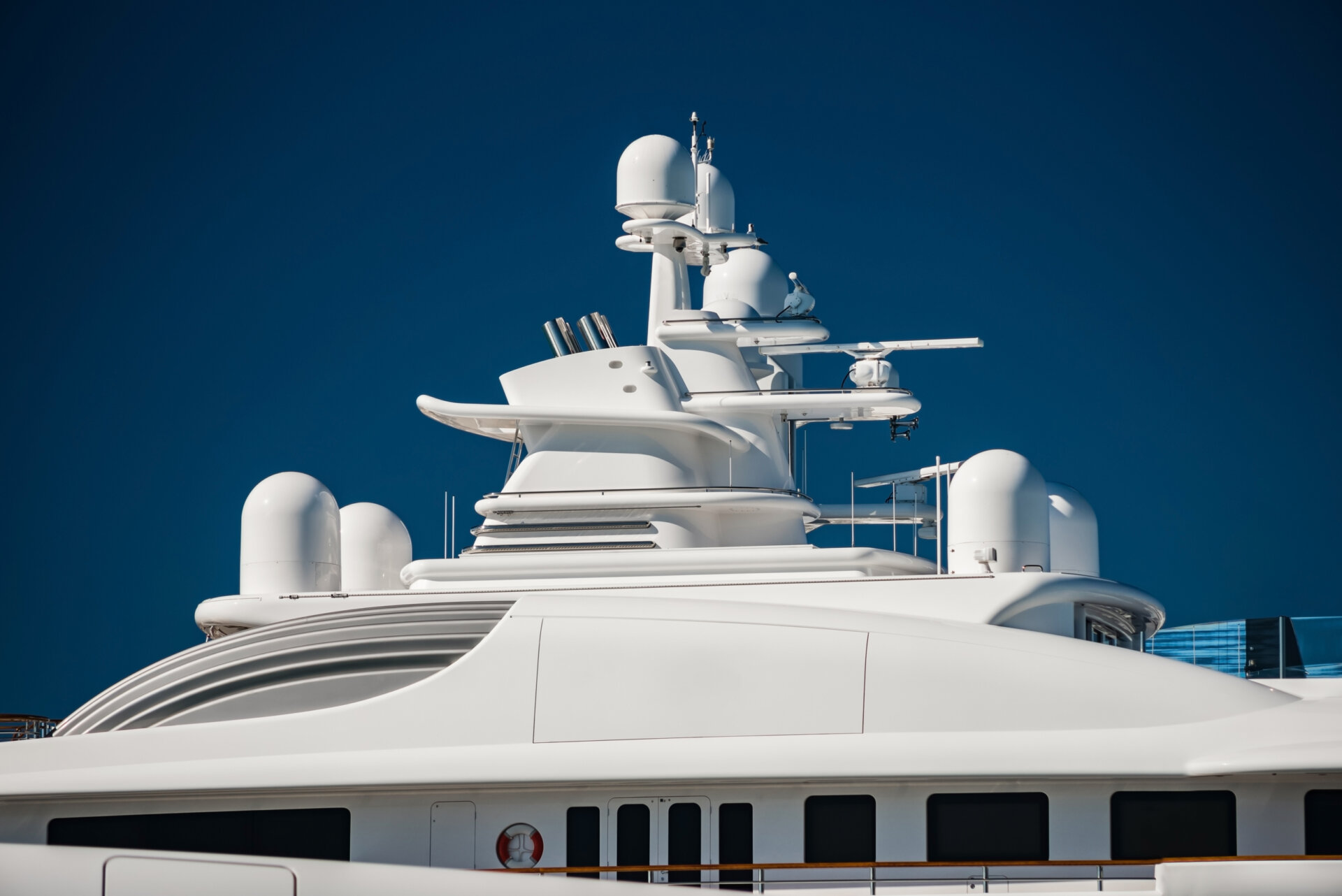
Sonar and Navigation Systems
Sonar and navigation systems require pressure decay leak testing to ensure waterproof integrity of radar domes, transducer housings, and sensor enclosures critical for safe vessel operation and preventing costly equipment failures.

Underwater exploration devices
Underwater exploration devices including ROVs, submersibles, and scientific instruments require high pressure leak testing to ensure watertight seals withstand extreme deep-sea pressures and prevent catastrophic equipment failure.

Diving equipment
Diving equipment housings and breathing apparatus demand rigorous pressure decay leak testing to verify seal integrity under varying depths, preventing water ingress that could compromise diver safety and cause emergency ascents.

Electric marine propulsion
Electric propulsion systems including pod drives, thrusters, and motor controllers require stringent IP-rated sealing to prevent water ingress that can cause short circuits, corrosion, and catastrophic propulsion failures in marine vessels.

Marine VHF and AIS Transducers
VHF and AIS transducers need high IP ratings to prevent water ingress that causes signal degradation, corrosion, and communication failures critical for maritime safety and vessel identification.
“In marine electric propulsion, a single leak can mean catastrophic failure at sea. ATEQ’s leak testing equipment gives us the precision and reliability we need to validate every sealed component before it goes into our vessels. With their technology, we’ve reduced field failures, maintained our IP ratings, and ensured our propulsion systems perform flawlessly in the harshest saltwater conditions.”